This is a testing area
Nothing in this site is live content and it may contain out of date or incorrect information.

Although we are not on site yet, we are planning to deliver the project in such a way that we can become an exemplar to neighbouring bodies in having an integrated renewables example for all to see and learn from.
We have included a social value element to our tenders and will as a result of this project have a learning hub with video displays for visitors to the centre.
The model itself can also be a useful case study for the improvement of other high energy intensity sites within the City.
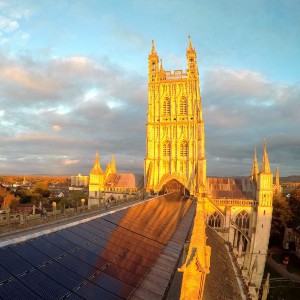 Going forward, the installation of solar PV to such a high profile building is allowing the cathedral to kick-start its 'Shrinking the Footprint' initiative, as part of the Church of England's commitment to reduce its carbon footprint by 80% by 2050. The pilgrim project manager Anne Cranston noted; "we've been delighted with the installing solar panels but there's lots more we need to do to ensure a greener future. We've made some great connections to green groups and are looking forward to learning more and working together in future."
 The wildflower meadows which Gloucester City Council began planting in October last year have been successful, and during peak season, boasted an array of flowers including poppies, cornflowers, corncockles, corn marigolds and corn chamomile.
The flowers have been humming with bees and other pollinators. Bee species which have been spotted include garden bumble bees, white tailed bumble bees, common carder bees and honey bees. With bees numbers in steep decline over recent years these meadows are providing a fantastic nectar resource and excellent boost for Gloucester’s pollinating insects. And the meadows also provide good habitat for other insects, small mammals and amphibians.
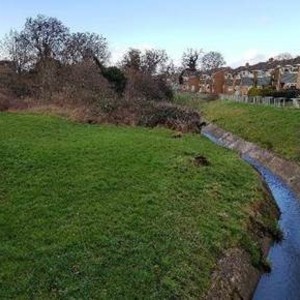
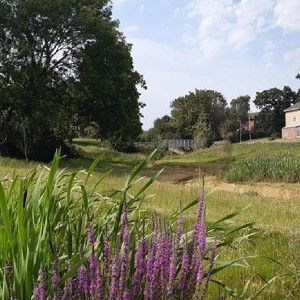 River naturalisation work on the Sudbrook has been a tremendous success boasting improvements in flora and fauna, more attractive naturalistic vistas, and flood risk benefits. While the wetlands constructed in Barnwood have attracted a more diverse range of bird species to the park, and are starting to self-populate with native marginal and aquatic planting.