
Getting Ready for Winter or Severe Weather
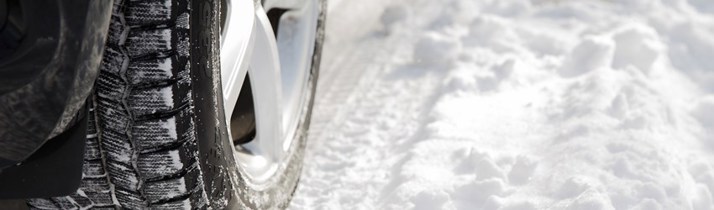
We have gathered some tips and advice to help you be prepared for winter and severe weather.
Driving in severe weather
- Check the weather forecast before you travel - is your journey essential?
- Check for road closures before you travel - you may need a different route.
- Clear all snow and ice from all your windows and make sure windows are demisted thoroughly.
- Drive with extra care and appropriate speeds to the road conditions.
- Double the distance between you and the vehicle in front.
- Strong gusts can blow a car, cyclist, motorcyclist or horse rider off course – please slow down. Give others more room than usual if overtaking, they may get blown around easily by side winds. Particular care should be taken if you are towing or are a high sided vehicle.
- Gusts of wind can unsettle vehicles – grip your steering wheel firmly with both hands. This is particularly important when planning to overtake.
- Keep an eye on what is happening to other vehicles. Spotting when and where other vehicles appear to be blown off course by the wind will give you a pre-warning of the conditions.
- Twigs or small branches in the road could mean there’s a tree or large branch in the way around the next bend.
- Partially fallen trees can hang above the sweep of your headlights, making them hard to spot.
- Highway code reminders the government website - driving in adverse weather conditions
- More advice from the Met Office - driving in severe weather
- Don't attempt to drive through flood water.
- Crossing a river at a ford
Walking in severe weather
- Is your trip essential? Could you start your journey a little later and wait for the weather to improve?
- Allow extra time for your journey, and check your route and the weather forecast before you set off.
- Dress sensibly for the weather - remember that several thin layers of clothing will keep you warmer than one thick layer as the layers trap warm air.
- Wet or icy paths can be slippery so wear shoes which you have good balance in, and will keep your feet warm and dry.
- Wear bright colours or HiViz / reflective clothing to help road users see you if visibility is low.
- A torch, waterproof coat or an umbrella, and a fully charged mobile phone are winter essentials if you need to walk in severe weather.
Cycling in severe weather
- Allow extra time for your journey.
- Wear bright colours or HiViz/reflective clothing.
- Strong gusts can blow you off course so being visible to other road users is important.
- Check your lights are working - you may need brighter ones in winter.
- It may take longer to stop or slow down in wet or icy conditions, so increase your stopping distance and brake smoothly to avoid your wheels locking.
- Twigs or small branches in the road could mean there’s a tree or large branch in the way around the next bend
- Partially fallen trees can hang above the sweep of your lights, making them hard to spot.
Car maintenance tips
- Top up the anti-freeze in your car,
- Check your tyre pressures
- Vehicle checks before long car journeys
Home maintenance tips
- Check you know where your stop tap is at home and make sure your pipes are insulated
- Freeze a loaf of bread and a pint of milk you can use if you can’t get to the shops easily
- Advice from the Met Office
Adverse weather plan
Every year the county council updates its Adverse Weather Plan to make sure we are prepared. You can read the 40-page Adverse Weather Plan and other documents on the Highways policy page.
Stay safe in a storm – Met office advice.