
Mental health

The migration experiences of refugees and asylum seekers make them more vulnerable to poor mental health. They may have experienced significant trauma in their home country and on their migration journey, worsening existing mental health issues or causing new issues to develop.
Difficult life circumstances, such as unemployment, housing insecurity, stigma, and isolation, are all known risk factors for poor mental health; and refugee and asylum seekers are more likely to face these inequalities when they arrive in their host country.
Refugees and asylum seekers are at higher risk of post-traumatic stress disorder (PTSD), depression, and anxiety disorders, with prevalence of PTSD and depression are each estimated to be around 31% in global refugee populations compared to 3.9% and 12% respectively in the general population. Evidence shows that the increased rates of PTSD and depression may continue for many years after they have left their home country.

Research also shows that the experience of seeking asylum can lead to an increased risk of developing mental health conditions, compared to other refugees in that country. Time spent in the asylum system, particularly if living in cramped conditions, in isolation with barriers to accessing mainstream healthcare and employment, and having uncertainty about asylum applications may all have a bearing.
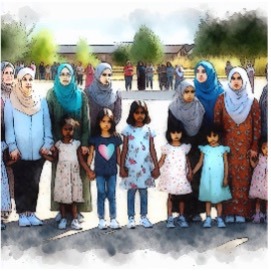 Female refugees and asylum seekers may be at particular risk of mental health issues, particularly PTSD, which is due to the increased risk of sexual violence and exploitation, and stressors related to childcare.
Given the risk of mental health issues and PTSD among refugees and asylum seekers, those supporting vulnerable individuals must adopt a trauma-informed approach, which recognises the impact of trauma on psychological and social wellbeing.
Recommendation: Further raise awareness of mental health needs