Tell us what you think of Families in Partnership
We would be grateful to learn from what you think of the Families in Partnership newsletter – this minute-long survey will help us improve the newsletter for the community 👉

A graduated approach - enabling the right support at the right time
Published
Local organisations and agencies should have in place effective ways to identify emerging problems and potential unmet needs of children and families, the Graduated Pathway is Gloucestershire’s primary tool to identify and support these unmet needs.
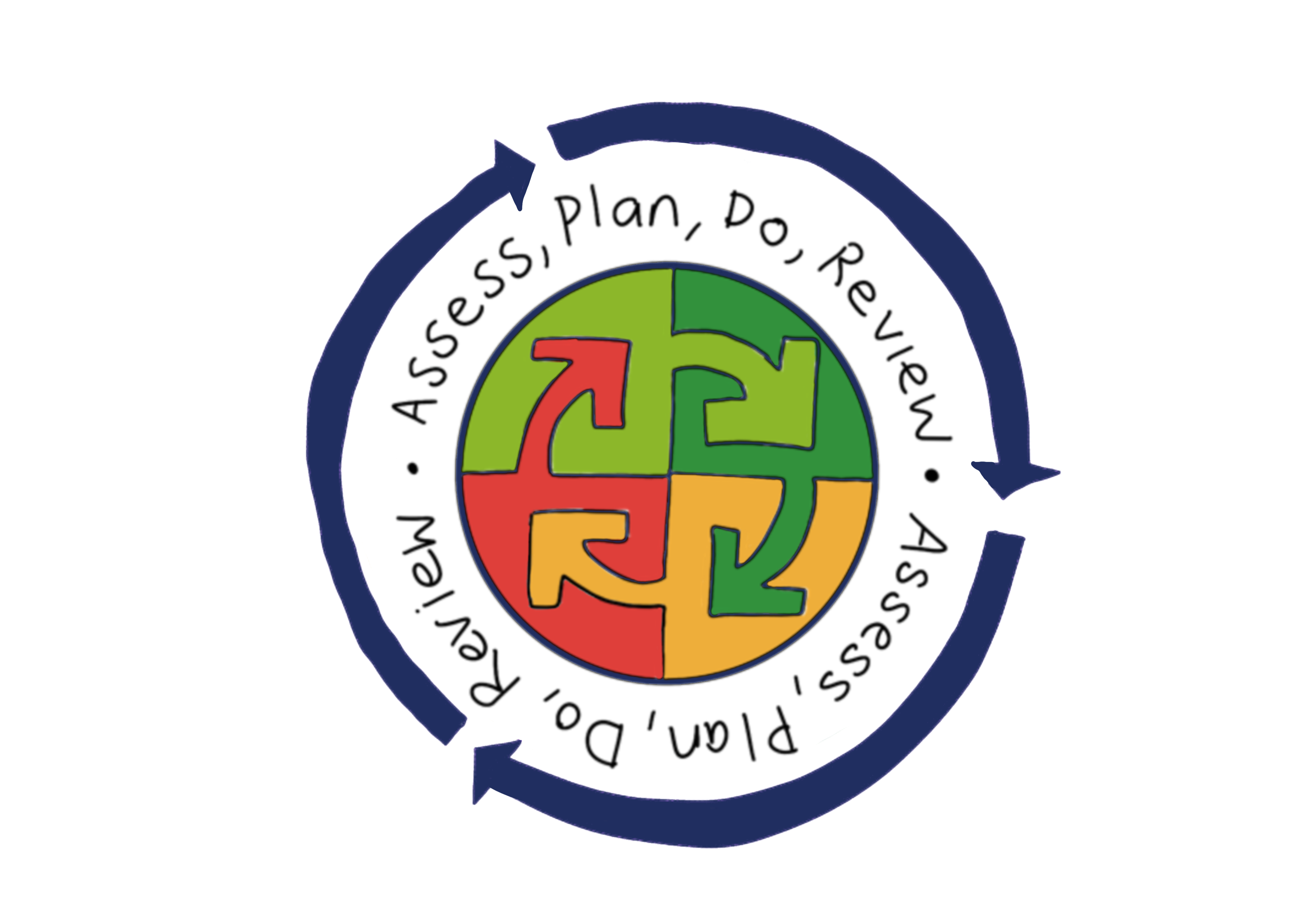

The Graduated Pathway of Early Help and Targeted Support is Gloucestershire’s early help assessment and planning process, which provides an integrated and holistic framework to support all practitioners working with children, young people and families. This applies to the whole range of needs including:
- learning and development;
- social, emotional, health (physical and mental) and / or disability; and
- wider family and environment.
The Graduated Pathway is most effective when it is mobilised by practitioners who have an existing, trusted relationship with the child, young person or family in order to intervene early and prevent problems from escalating. The model is also consistent with the requirements set out in the SEND code of practice (Jan ’15) that requires support to be made available as a continuum or cycle referred to as 'The Graduated Approach'.
The Graduated Pathway supports a whole-family approach and is based on a simple assess, plan, do, review cycle and has graduated responses which can be used as required. It is important to capture the views of children and young people during each of these points on the cycle.
How the Graduated Pathway and approach works:
Children who have difficulties with their learning at school will have intervention from the school SENCO (Special Educational Needs Co-ordinator) who will work with the child’s class teacher and support staff on strategies to use to support learning. This will be written down on a My Plan or equivalent and shared with the child and parent / carers. At this point or on reviewing the plan, the SENCO may decide to refer to further support services as needed. These could include the Advisory Teaching Service or one of the health therapies such as Occupational Therapy or Speech and Language.
The Graduated Approach is embedded in health services, to provide support and a plan to the child, young person, and their families, to achieve their goals and aspirations. Health practitioners are partners in the Graduated Approach with education and social care. The allocated health practitioner for each health service the child or young person is receiving care from, will provide information at each part of the Graduated Approach, to ensure the health needs and the impact of these on the child or young person, are fully understood and taken into consideration by the Team Around the Family. This ensures that realistic and achievable progress can be made by the child or young person.
Families First uses the Graduated Pathway to support families. Sometimes families are referred after having a Single Assessment, sometimes they come from the community with a My Plan already in place, sometimes no-one has told their story yet. The family support worker will use the graduated pathway to help the family to tell their story, agree a plan and bring together professionals in the Team Around the Family to agree how best to support and make change.
We have been working on reviewing the graduated pathway over the past year with a focus in three areas:
- The Graduated Pathway practice guidance
- Direct tools and documents
- Digitalisation.
We launched a survey between April and May 2023 to be able to hear from as many practitioners and families as possible, thank you to all of those that took the time to provide us with feedback. We are pleased to be able to share with you some of the feedback received and the actions taken so far, through our ‘you said we did’
We are also excited to launch with you today the revised Practice guidance webpages following this engagement phase which can be found by following the link below:
Graduated Pathway practice guidance | Gloucestershire County Council
Further developments will take place next year in relation to digitisation and we will be in touch again to engage with you in these developments.