
Overview of level three
The child’s needs are more complex and require an assessment to understand the range, depth or significance of the needs which may require a more intensive response.
At level three, the Lead Practitioner has concluded that a child or young person is not making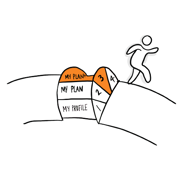 sufficient progress with the support of the Team Around the Family or that their needs cannot be reasonably met through normally resourced local mainstream provision despite drawing in and tailoring resources to meet the needs of the child / young person or family.
When you have concerns that the support provided by the Team Around the Family is not enabling progress contact the Early Help Coordinator (or Education Inclusion Service Outcome Co-ordinator as appropriate). The Early Help or Outcome Coordinator will work with the Lead practitioner to identify the most appropriate and proportionate next steps, if this support is needed.
This may include:
- Attending the review TAF meeting
- Review the current support plan with the Team Around the Family and make recommendations according to the needs of the family
- Make a decision with the Lead Practitioner and Team Around the Family as to the best course of action based on the needs of the child, young person and their family and support them to access appropriate services which can include services directly delivered or commissioned by the Local Authority
Where support delivered has not been effective in reducing barriers to Education the school can submit a Team Around the Locality Cluster (TALC) referral, this will provide access to a multi-agency forum with key decision makers in attendance to remove barriers that persist.
My Assessment...
is a tool to engage with the child, young person and their family to effectively identify needs, strengths and possible solutions working in partnership with both the family and other services. The Early Help My Assessment needs to be, proportionate to risk, and informed by research and by the historical context and significant events.
Once you have assessed needs and strengths with the family, the Early Help Assessment can be shared with the services that you think need to be involved to meet the needs of the child, young person and their family. By doing this the family do not have to repeat their story more than once and the services you have identified have a clear understanding of how they can be of help.
The My Assessment should also inform a multi-agency My Plan Plus – A SMART family plan should set targets that are reviewed on a 6-weekly cycle:
- Specific – Make outcomes specific and narrow
- Measurable – Define what evidence will prove a difference / progress is being made
- Achievable – Make sure outcomes are realistic for the family
- Relevant – Needs on a plan should align with longer term objectives
- Time-bound – Set realistic but ambitious timescales, that prioritise the key outcomes for the family
Last reviewed: