
Professional leadership - social work and occupational therapy
Strong professional leadership helps make sure practice is safe, consistent and focused on what matters to people. Our Principal Social Worker and Principal Occupational Therapist provide expert leadership, support good decision making, and help turn learning into better practice across Adult Social Care.
Social work
Over the past year, social work has continued to strengthen through leadership, learning and reflection. Training has been updated, supervision is improving, and there is a clear focus on strengths-based practice and good decision making. Development routes such as ASYE (the supported first year after qualifying), student placements and apprenticeships are helping new social workers build confidence and practise safely.
There is still more to do. Feedback, audits and external reviews show we need to continue improving areas such as legal knowledge, supervision, mental health practice and consistency. We also know that supporting young people to move from children’s to adult services remains important, and this will require continued joint working and clear communication across teams.
Over the coming year, we will build on this progress through stronger supervision, continued learning and development, and a co-produced Practice Quality Assurance Framework to help define what good practice looks like in Gloucestershire. This will support more consistent, confident and person-centred social work.
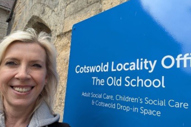 I’m proud to be part of such a committed Adult Social Care workforce and the great work we are doing. Thank you for the compassion, resilience and professionalism you bring every day - it makes a real difference to people’s lives.
Jo Sutherland, Principal Social Worker
Occupational therapy
Over the past year, occupational therapy (OT) has continued to play an important role in helping people stay safe, well and independent. The service has been delivered locally through the Community NHS Trust, working closely with Adult Social Care and partners. Under the leadership of the Principal Occupational Therapist, there has been a stronger focus on prevention, early support and person-centred care. This includes earlier access to OT, better access to equipment and adaptations, and stronger links with wider Adult Social Care improvement work.
There is still more to do. We need to make access to OT support more consistent, reduce waiting times, and strengthen how we check that OT is supporting people to stay independent. Occupational Therapists and social workers are now working more closely together to review feedback and learning, helping to improve advice, decision making and day-to-day practice. We have also appointed a Head of OT to support the next phase of development.
Looking ahead, occupational therapy will move to be managed by the Council from summer 2026. This will give clearer oversight and help ensure OT is fully supporting assessment, prevention and independence. Over the coming year, we will focus on making this transition safe and well planned, improving access to aids, adaptations and reablement, and continuing to build a confident and skilled OT workforce. This will support our Prevention Strategy and help more people stay in their own homes and communities for longer.
 I’m really encouraged by how occupational therapy is evolving, with a stronger focus on prevention and improving access to support. Our workforce is making a real difference every day, helping people live more independently.
Caroline Parker, Principal Occupational Therapist