Someone to speak up for your rights (advocacy)

What is an advocate?

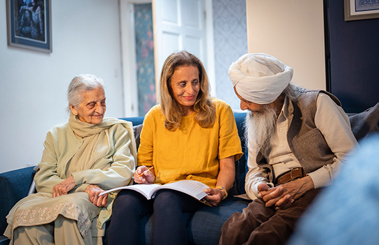
Sometimes you may need support to say what you want or to understand your options. An advocate is there to make sure your voice is heard, protect your rights, and represent your best interests.

An advocate can help you:

  • talk through how you feel about your care and support
  • understand the care and support process, including assessments
  • make informed decisions
  • challenge care and support decisions you don’t agree with
  • make a complaint about health or adult social care.

They can write letters for you and attend meetings with you. They can also show you other helpful services that are available.


Do I need an advocate?

You may benefit from an advocate if you have substantial difficulty with any of the following:

  • understanding or remembering information
  • talking to people and telling them what you think
  • considering the positives and negatives of different options.

Advocates do not tell you what to do or make judgements about you. They support you to say what you want and need, and to make choices.

If you are not able to say what you want for yourself, an advocate will find out what is important to you and make sure that anybody making decisions takes this into account.


How do I get an advocate?

You might already have someone you trust who can help you speak up, such as a family member or friend. In some situations, though, you will need a qualified advocate. A paid care worker cannot act as your advocate.

If there isn’t anyone who can support you right now, let us know or speak to your social care worker.

For people who are eligible, the council arranges a free, independent advocate through POhWER. 


Types of advocacy offered by POhWER

The sections below explain the different types of advocacy available, who is eligible, and how referrals work. You can also find out more about POhWER and how to contact them.

Who is eligible?

The Care Act says councils must involve people in decisions about their care and support. If someone would find it difficult to be involved without help, the council must make sure they get the right support.

You may be entitled to an Independent Care Act Advocate if all of the following apply:

  • You are involved in a Care Act process, such as:
    - an Adult Social Care Assessment
    - a Carer’s Assessment
    - care and support planning or reviews
    - safeguarding enquiries.
  • You have substantial difficulty in one or more of these areas:
    - understanding relevant information
    - retaining information
    - using or weighing up information as part of decision making
    - communicating your views, wishes or feelings.
  • There is no appropriate person (such as a family member or friend) who can support you to be fully involved.

If these conditions are met, Gloucestershire County Council must arrange an independent advocate under the Care Act.

How is a referral made?

Referrals for Independent Care Act Advocacy are usually made by a social worker or Adult Social Care professional. The process is:

  1. During a Care Act process, the social worker identifies that the person may have substantial difficulty in being involved.
  2. The social worker considers whether there is an appropriate person who can support the individual.
  3. If there is no suitable person, the social worker makes a referral to POhWER, the council’s commissioned advocacy provider.
  4. POhWER contacts the person to explain the service and arrange support.

If you think you need an advocate, you can also tell your social worker or Adult Social Care worker that you would like independent advocacy arranged for you.

What support can an Independent Care Advocate provide?

A Care Act Advocate’s role is to support you to be involved, not to make decisions for you. They can help you to:

  • understand what is happening in the Care Act process
  • understand your rights and options
  • think through and express your views, wishes and feelings
  • prepare for and attend meetings related to assessments or care planning
  • make sure professionals take your views into account
  • challenge decisions or raise concerns where appropriate.

The advocate will always be independent, work alongside you, and focus on what's important to you.

Advocates do not:

  • make decisions on your behalf
  • provide legal advice
  • replace the role of social workers or care professionals.

Cost and confidentiality

Independent Care Act Advocacy is:

  • free of charge
  • confidential
  • provided independently by POhWER, commissioned by Gloucestershire County Council.

Find out more

Who is eligible?

The Care Act says councils must involve people in decisions about their care and support. If someone would find it difficult to be involved without help, the council must make sure they get the right support.

You may be entitled to an Independent Care Act Advocate if all of the following apply:

  • You are involved in a Care Act process, such as:
    - an Adult Social Care Assessment
    - a Carer’s Assessment
    - care and support planning or reviews
    - safeguarding enquiries.
  • You have substantial difficulty in one or more of these areas:
    - understanding relevant information
    - retaining information
    - using or weighing up information as part of decision making
    - communicating your views, wishes or feelings.
  • There is no appropriate person (such as a family member or friend) who can support you to be fully involved.

If these conditions are met, Gloucestershire County Council must arrange an independent advocate under the Care Act.

How is a referral made?

Referrals for Independent Care Act Advocacy are usually made by a social worker or Adult Social Care professional. The process is:

  1. During a Care Act process, the social worker identifies that the person may have substantial difficulty in being involved.
  2. The social worker considers whether there is an appropriate person who can support the individual.
  3. If there is no suitable person, the social worker makes a referral to POhWER, the council’s commissioned advocacy provider.
  4. POhWER contacts the person to explain the service and arrange support.

If you think you need an advocate, you can also tell your social worker or Adult Social Care worker that you would like independent advocacy arranged for you.

What support can an Independent Care Advocate provide?

A Care Act Advocate’s role is to support you to be involved, not to make decisions for you. They can help you to:

  • understand what is happening in the Care Act process
  • understand your rights and options
  • think through and express your views, wishes and feelings
  • prepare for and attend meetings related to assessments or care planning
  • make sure professionals take your views into account
  • challenge decisions or raise concerns where appropriate.

The advocate will always be independent, work alongside you, and focus on what's important to you.

Advocates do not:

  • make decisions on your behalf
  • provide legal advice
  • replace the role of social workers or care professionals.

Cost and confidentiality

Independent Care Act Advocacy is:

  • free of charge
  • confidential
  • provided independently by POhWER, commissioned by Gloucestershire County Council.

Find out more

Who is eligible?

An Independent Mental Capacity Advocate supports people who are not able to make certain decisions for themselves (they lack the capacity) and do not have family or friends who are able to speak for them.

You may be entitled to a Independent Mental Capacity Advocacy (IMCA) if all of the following apply:

  • You have been assessed as lacking capacity to make a specific decision at a specific time.
  • The decision relates to:
    - serious medical treatment, or
    - a long-term move (for example, to a care home), or
    - in some circumstances, care reviews or adult safeguarding.
  • You have no family member or friend who is willing, able and appropriate to support or represent you in relation to that decision.

IMCA is a legal safeguard under the Mental Capacity Act and applies only in specific decision-making situations.

How is a referral made?

IMCA referrals are made by the decision-maker, such as:

  • a social worker
  • a health professional
  • another professional with responsibility for the decision being made.

The process is:

  1. The professional identifies that a person lacks capacity to make a particular decision.
  2. The professional confirms there is no appropriate family member or friend to consult.
  3. The professional makes a referral to POhWER, Gloucestershire County Council’s commissioned IMCA provider.
  4. POhWER allocates an IMCA, who will meet the person and begin involvement related to that specific decision.

Individuals or family members cannot self refer for IMCA, but concerns can be raised with the relevant professional.

What support can an Independent Mental Capacity Advocate provide?

An IMCA’s role is to support and represent the person’s rights and interests in relation to the specific decision. They can:

  • meet with the person who lacks capacity
  • gather information about the person’s wishes, feelings, beliefs and values
  • check that the Mental Capacity Act is being followed
  • make sure all relevant options are considered
  • support the decision maker to make a best interests decision
  • provide a written IMCA report setting out their findings and recommendations.

IMCAs:

  • do not make decisions themselves
  • are independent of the council and NHS
  • are involved only for the duration of the specific decision.

Cost and confidentiality

Independent Mental Capacity Advocacy is:

  • free of charge
  • confidential
  • provided independently by POhWER, commissioned by Gloucestershire County Council.

Find out more

Who is eligible?

An Independent Mental Capacity Advocate supports people who are not able to make certain decisions for themselves (they lack the capacity) and do not have family or friends who are able to speak for them.

You may be entitled to a Independent Mental Capacity Advocacy (IMCA) if all of the following apply:

  • You have been assessed as lacking capacity to make a specific decision at a specific time.
  • The decision relates to:
    - serious medical treatment, or
    - a long-term move (for example, to a care home), or
    - in some circumstances, care reviews or adult safeguarding.
  • You have no family member or friend who is willing, able and appropriate to support or represent you in relation to that decision.

IMCA is a legal safeguard under the Mental Capacity Act and applies only in specific decision-making situations.

How is a referral made?

IMCA referrals are made by the decision-maker, such as:

  • a social worker
  • a health professional
  • another professional with responsibility for the decision being made.

The process is:

  1. The professional identifies that a person lacks capacity to make a particular decision.
  2. The professional confirms there is no appropriate family member or friend to consult.
  3. The professional makes a referral to POhWER, Gloucestershire County Council’s commissioned IMCA provider.
  4. POhWER allocates an IMCA, who will meet the person and begin involvement related to that specific decision.

Individuals or family members cannot self refer for IMCA, but concerns can be raised with the relevant professional.

What support can an Independent Mental Capacity Advocate provide?

An IMCA’s role is to support and represent the person’s rights and interests in relation to the specific decision. They can:

  • meet with the person who lacks capacity
  • gather information about the person’s wishes, feelings, beliefs and values
  • check that the Mental Capacity Act is being followed
  • make sure all relevant options are considered
  • support the decision maker to make a best interests decision
  • provide a written IMCA report setting out their findings and recommendations.

IMCAs:

  • do not make decisions themselves
  • are independent of the council and NHS
  • are involved only for the duration of the specific decision.

Cost and confidentiality

Independent Mental Capacity Advocacy is:

  • free of charge
  • confidential
  • provided independently by POhWER, commissioned by Gloucestershire County Council.

Find out more

Who is eligible?

You may be entitled to Independent Mental Health Advocacy (IMHA) if you are receiving care or treatment under the Mental Health Act 1983. This includes people who are:

  • detained in hospital under the Mental Health Act
  • subject to Supervised Community Treatment (Community Treatment Order)
  • under guardianship
  • being considered for certain treatments under the Mental Health Act.

IMHA is a statutory right. You do not need to prove substantial difficulty or lack capacity, and eligibility does not depend on whether you have family or friends involved.

How is a referral made?

Referrals for Independent Mental Health Advocacy are usually made by a mental health professional, such as:

  • social worker/Approved Mental Health Professional (AMHP)
  • hospital staff or community mental health teams.

The process is:

  1. The professional identifies that a person is eligible for IMHA support under the Mental Health Act.
  2. A referral is made to POhWER, Gloucestershire County Council’s commissioned IMHA provider.
  3. POhWER contacts the person to explain the service and offer advocacy support.

People who are eligible can also request an IMHA directly by asking ward staff, their social worker, or by contacting POhWER themselves.

What support can an Independent Mental Health Advocate provide?

An IMHA’s role is to help you understand and exercise your rights under the Mental Health Act. They can help you to:

  • understand your legal rights and how the Mental Health Act applies to you
  • understand your detention, treatment or conditions
  • express your views, wishes and concerns
  • prepare for and attend meetings such as ward rounds or care planning meetings
  • raise concerns about care or treatment
  • access information about safeguards, appeals and reviews.

IMHAs:

  • work alongside you, following what you want
  • are independent of hospitals and the council
  • do not make decisions on your behalf or provide legal advice.

Cost and confidentiality

Independent Mental Capacity Advocacy is:

  • free of charge
  • confidential
  • provided independently by POhWER, commissioned by Gloucestershire County Council.

Find out more

Who is eligible?

You may be entitled to Independent Mental Health Advocacy (IMHA) if you are receiving care or treatment under the Mental Health Act 1983. This includes people who are:

  • detained in hospital under the Mental Health Act
  • subject to Supervised Community Treatment (Community Treatment Order)
  • under guardianship
  • being considered for certain treatments under the Mental Health Act.

IMHA is a statutory right. You do not need to prove substantial difficulty or lack capacity, and eligibility does not depend on whether you have family or friends involved.

How is a referral made?

Referrals for Independent Mental Health Advocacy are usually made by a mental health professional, such as:

  • social worker/Approved Mental Health Professional (AMHP)
  • hospital staff or community mental health teams.

The process is:

  1. The professional identifies that a person is eligible for IMHA support under the Mental Health Act.
  2. A referral is made to POhWER, Gloucestershire County Council’s commissioned IMHA provider.
  3. POhWER contacts the person to explain the service and offer advocacy support.

People who are eligible can also request an IMHA directly by asking ward staff, their social worker, or by contacting POhWER themselves.

What support can an Independent Mental Health Advocate provide?

An IMHA’s role is to help you understand and exercise your rights under the Mental Health Act. They can help you to:

  • understand your legal rights and how the Mental Health Act applies to you
  • understand your detention, treatment or conditions
  • express your views, wishes and concerns
  • prepare for and attend meetings such as ward rounds or care planning meetings
  • raise concerns about care or treatment
  • access information about safeguards, appeals and reviews.

IMHAs:

  • work alongside you, following what you want
  • are independent of hospitals and the council
  • do not make decisions on your behalf or provide legal advice.

Cost and confidentiality

Independent Mental Capacity Advocacy is:

  • free of charge
  • confidential
  • provided independently by POhWER, commissioned by Gloucestershire County Council.

Find out more

Who is eligible

When a person is subject to a deprivation of liberty authorisation under the Mental Capacity Act, they must have a representative to help them understand and exercise their rights.

A representative is usually a family member or friend who is willing and able to take on the role. If there is no suitable family member or friend available, a Relevant Person's Paid Representative (RPPR) will be appointed.

Independent advocacy may be available during the assessment process, particularly where there is no family member or friend involved. Advocacy support can also help those acting as a representative.

How is a referral made?

RPPR support is arranged as part of the Deprivation of Liberty Safeguards (DoLS) process and cannot be self-referred. The process is:

  1. A deprivation of liberty authorisation is granted under the Mental Capacity Act.

  2. The Supervisory Body (Gloucestershire County Council) considers whether there is a suitable family member or friend who can act as the person's representative.

  3. If there is no appropriate unpaid representative available, a professional involved in the DoLS process requests the appointment of a RPPR.

  4. A referral is made to POhWER, Gloucestershire County Council's commissioned advocacy provider.

  5. POhWER appoints an RPPR, who will make contact with the person and those involved in their care.

Individuals, family members and care providers cannot directly appoint an RPPR. Referrals must be made through the authorised Deprivation of Liberty Safeguards process.

What support can a Relevant Person’s Paid Representative provide?

An RPPR helps to ensure that the person's rights are protected and that the safeguards related to their deprivation of liberty are properly applied. They can:

  • visit and maintain contact with the person
  • explain their rights in a way they can understand
  • support the person to express their wishes, feelings and views
  • check that any restrictions remain necessary and proportionate
  • request reviews of the authorisation where appropriate
  • support access to legal representation or challenge through the Court of Protection where required
  • raise concerns if they believe the person's rights are not being upheld.

RPPRs:

  • act independently
  • focus on the person's wishes, feelings and rights
  • do not make care decisions on the person's behalf
  • do not replace the role of social workers, care providers or family members.

Cost and confidentiality

RPPR is:

  • free of charge
  • confidential
  • provided independently by POhWER, commissioned by Gloucestershire County Council.

Find out more


Who is eligible

When a person is subject to a deprivation of liberty authorisation under the Mental Capacity Act, they must have a representative to help them understand and exercise their rights.

A representative is usually a family member or friend who is willing and able to take on the role. If there is no suitable family member or friend available, a Relevant Person's Paid Representative (RPPR) will be appointed.

Independent advocacy may be available during the assessment process, particularly where there is no family member or friend involved. Advocacy support can also help those acting as a representative.

How is a referral made?

RPPR support is arranged as part of the Deprivation of Liberty Safeguards (DoLS) process and cannot be self-referred. The process is:

  1. A deprivation of liberty authorisation is granted under the Mental Capacity Act.

  2. The Supervisory Body (Gloucestershire County Council) considers whether there is a suitable family member or friend who can act as the person's representative.

  3. If there is no appropriate unpaid representative available, a professional involved in the DoLS process requests the appointment of a RPPR.

  4. A referral is made to POhWER, Gloucestershire County Council's commissioned advocacy provider.

  5. POhWER appoints an RPPR, who will make contact with the person and those involved in their care.

Individuals, family members and care providers cannot directly appoint an RPPR. Referrals must be made through the authorised Deprivation of Liberty Safeguards process.

What support can a Relevant Person’s Paid Representative provide?

An RPPR helps to ensure that the person's rights are protected and that the safeguards related to their deprivation of liberty are properly applied. They can:

  • visit and maintain contact with the person
  • explain their rights in a way they can understand
  • support the person to express their wishes, feelings and views
  • check that any restrictions remain necessary and proportionate
  • request reviews of the authorisation where appropriate
  • support access to legal representation or challenge through the Court of Protection where required
  • raise concerns if they believe the person's rights are not being upheld.

RPPRs:

  • act independently
  • focus on the person's wishes, feelings and rights
  • do not make care decisions on the person's behalf
  • do not replace the role of social workers, care providers or family members.

Cost and confidentiality

RPPR is:

  • free of charge
  • confidential
  • provided independently by POhWER, commissioned by Gloucestershire County Council.

Find out more


Who is eligible?

You may be able to get NHS Complaints Advocacy if you want help to make a complaint about NHS funded care or treatment. This includes complaints about services provided by:

  • NHS hospitals
  • GPs
  • dentists
  • pharmacies
  • opticians
  • ambulance services
  • mental health services
  • community health services.

You can complain about:

  • your own care or treatment, or
  • care provided to someone else (with their consent, or if appropriate).

There is no eligibility test linked to capacity and you do not need to be under the Mental Health Act or Care Act.

How is a referral made?

NHS Complaints Advocacy is self referral. You (or someone supporting you) can refer directly to POhWER by:

  • phone
  • email
  • online referral form

Professionals can also help someone to contact POhWER, but a formal referral from a social worker is not required. POhWER will normally need the person’s consent to act on their behalf. 

What support can an NHS Complaints Advocate provide?

An NHS Complaints Advocate can help you to:

  • understand the NHS complaints process and your options
  • decide who to complain to (for example, PALS or the NHS organisation)
  • write letters or complete complaint forms
  • prepare for meetings and attend with you
  • understand responses you receive
  • refer your complaint to the Parliamentary and Health Service Ombudsman, if appropriate.

NHS Complaints Advocates:

  • do not investigate complaints
  • do not provide legal or medical advice
  • follow the NHS Complaints Regulations
  • usually cannot support complaints more than 12 months old, unless there is a good reason. 

Cost and confidentiality

NHS Complaints Advocacy is:

  • free of charge
  • confidential
  • provided independently by POhWER, commissioned by Gloucestershire County Council.

Find out more

Who is eligible?

You may be able to get NHS Complaints Advocacy if you want help to make a complaint about NHS funded care or treatment. This includes complaints about services provided by:

  • NHS hospitals
  • GPs
  • dentists
  • pharmacies
  • opticians
  • ambulance services
  • mental health services
  • community health services.

You can complain about:

  • your own care or treatment, or
  • care provided to someone else (with their consent, or if appropriate).

There is no eligibility test linked to capacity and you do not need to be under the Mental Health Act or Care Act.

How is a referral made?

NHS Complaints Advocacy is self referral. You (or someone supporting you) can refer directly to POhWER by:

  • phone
  • email
  • online referral form

Professionals can also help someone to contact POhWER, but a formal referral from a social worker is not required. POhWER will normally need the person’s consent to act on their behalf. 

What support can an NHS Complaints Advocate provide?

An NHS Complaints Advocate can help you to:

  • understand the NHS complaints process and your options
  • decide who to complain to (for example, PALS or the NHS organisation)
  • write letters or complete complaint forms
  • prepare for meetings and attend with you
  • understand responses you receive
  • refer your complaint to the Parliamentary and Health Service Ombudsman, if appropriate.

NHS Complaints Advocates:

  • do not investigate complaints
  • do not provide legal or medical advice
  • follow the NHS Complaints Regulations
  • usually cannot support complaints more than 12 months old, unless there is a good reason. 

Cost and confidentiality

NHS Complaints Advocacy is:

  • free of charge
  • confidential
  • provided independently by POhWER, commissioned by Gloucestershire County Council.

Find out more

Who is eligible?

You may be able to get Social Care Complaints Advocacy if you want help to complain about adult social care services provided or arranged by a local authority. This includes complaints about:

  • care and support services
  • assessments or reviews
  • decisions made by adult social care
  • the quality of commissioned social care services.

This service is available to:

  • adults receiving social care
  • carers
  • people acting on behalf of someone else, where appropriate.

You do not need to meet Care Act advocacy eligibility to receive complaints advocacy.

How is a referral made?

Social Care Complaints Advocacy is self referral. You (or someone supporting you) can refer directly to POhWER by:

  • phone
  • email
  • online referral form

A social worker may signpost or support you to access the service, but they do not make the referral on your behalf. Consent will usually be needed if the complaint is about someone else’s care. 

What support can a Social Care Complaints Advocate provide?

A Social Care Complaints Advocate can help you to:

  • understand the local authority complaints process
  • be clear about what you are complaining about and what you want to happen
  • write or structure a complaint
  • prepare for meetings or responses
  • understand outcomes and next steps
  • take a complaint to the Local Government and Social Care Ombudsman, if appropriate.

Social Care Complaints Advocates:

  • are independent of the council
  • do not make decisions for you
  • do not provide legal advice
  • support you through the complaints process only, not ongoing casework. 

Cost and confidentiality

Social Care Complaints Advocacy is:

  • free of charge
  • confidential
  • provided independently by POhWER, commissioned by Gloucestershire County Council.

Contact PohWER

Who is eligible?

You may be able to get Social Care Complaints Advocacy if you want help to complain about adult social care services provided or arranged by a local authority. This includes complaints about:

  • care and support services
  • assessments or reviews
  • decisions made by adult social care
  • the quality of commissioned social care services.

This service is available to:

  • adults receiving social care
  • carers
  • people acting on behalf of someone else, where appropriate.

You do not need to meet Care Act advocacy eligibility to receive complaints advocacy.

How is a referral made?

Social Care Complaints Advocacy is self referral. You (or someone supporting you) can refer directly to POhWER by:

  • phone
  • email
  • online referral form

A social worker may signpost or support you to access the service, but they do not make the referral on your behalf. Consent will usually be needed if the complaint is about someone else’s care. 

What support can a Social Care Complaints Advocate provide?

A Social Care Complaints Advocate can help you to:

  • understand the local authority complaints process
  • be clear about what you are complaining about and what you want to happen
  • write or structure a complaint
  • prepare for meetings or responses
  • understand outcomes and next steps
  • take a complaint to the Local Government and Social Care Ombudsman, if appropriate.

Social Care Complaints Advocates:

  • are independent of the council
  • do not make decisions for you
  • do not provide legal advice
  • support you through the complaints process only, not ongoing casework. 

Cost and confidentiality

Social Care Complaints Advocacy is:

  • free of charge
  • confidential
  • provided independently by POhWER, commissioned by Gloucestershire County Council.

Contact PohWER

About POhWER advocacy services

POhWER supports people who want to make their voice heard. They do this by providing information, advice and guidance, as well as expert advocacy services and support. On their website you can find real-life stories of how they have helped others.

POhWER is commissioned by Gloucestershire County Council to provide statutory advocacy to those who are eligible. You can find eligibility criteria in the Types of advocacy section above.

POhWER helps the council to meet their legal duties while remaining completely independent. They are currently commissioned until XXXX.

POhWER’s advocacy services are always free and confidential. You can contact them in a number of ways:

Web: www.pohwer.net/Gloucestershire 
Call: 0300 0031 162 (free)
Email: glosadvocacy@pohwer.net  


Read our policy

Gloucestershire County Council has a policy on Independent Advocacy in Adult Social Care that explains how we involves people in Adult Social Care decisions that affect them, and when we must arrange an independent advocate under the Care Act, Mental Capacity Act and Mental Health Act.