
What does the demographic shift mean for domiciliary care?
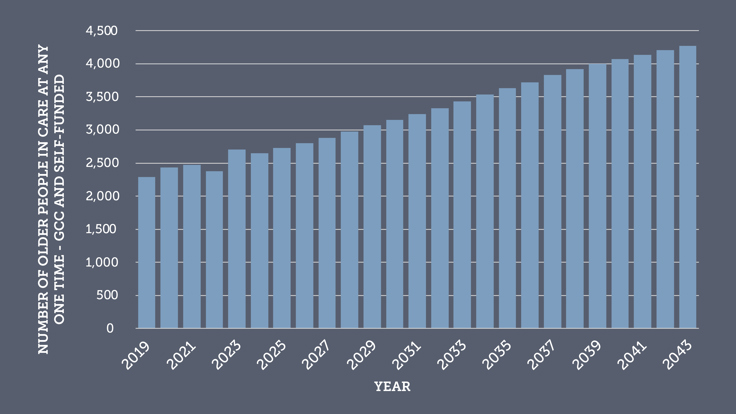
In 2023, we currently have 2,708 older people receiving community-based services, including home care and extra care housing. This is projected to rise to 4,274 in 2043, a 59% increase compared to now.
Figure 22: Figure showing the predicted number of older people in receipt of community care services 2019 - 2043
ContrOCC Commitments Report 2019-2023
ONS Sub-national population projections 2018-based principal projection
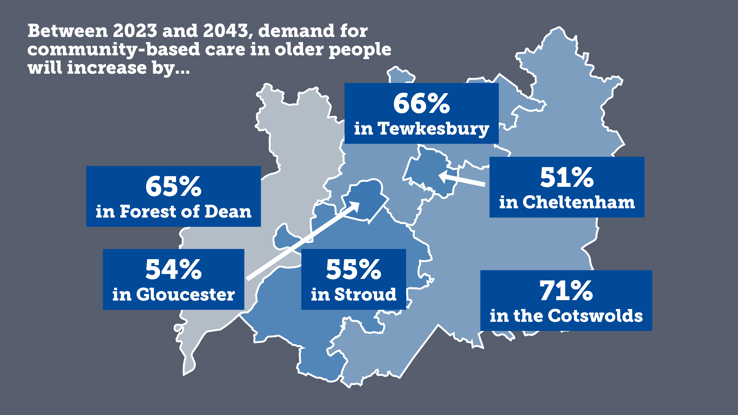
As with bed-based care, the growth rate of community-based care demand over the next 20 years is not evenly spread between districts, ranging from 51% in Cheltenham to 71% in the Cotswolds.
Figure 23: Figure showing increased demand for older people’s community-based care per district
ContrOCC Commitments Report 2019-2023
ONS Sub-national population projections 2018-based principal projection
For this analysis, package size has been assumed to remain constant in the next 20 years, as it has not changed much in last 5 years after accounting for COVID-19 impact.
The demand increase is less drastic compared to that in bed-based care (80%), as the likelihood of receiving community-based services is not significantly different between older people in their 70s and 80s. However, there is still a significant increase to be considered and the need to ensure the most efficient use of our limited staffing resource remains.
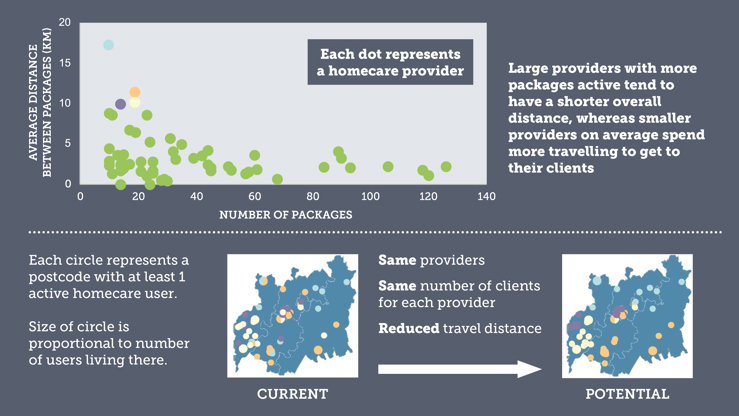
Figure 24: Figure showing potential for efficiencies via hyper-localised commissioning approach
ContrOCC Commitments Report 2023/12/10
We have had success in the last two years in implementing a 'hyper local' commissioning approach which, using data driven mapping tools, enables us to commission domiciliary care more efficiently by placing each package with providers already working in the locality of the person needing care. This facilitates more continuity for the staff and for the person receiving services as well as reducing travel time and waiting lists for care.
Given the continued increase in demand for domiciliary care we expect to continue to use and develop the 'hyper-local' approach to ensure the best use is being made of our staffing resource across the county.
Other measures in place to support people to live at home include:
- Use of equipment such as grab rails, ceiling hoists and modular ramping
- Telecare and technology enabled care including digital provision
- Training for staff to help identify signs of deterioration at an early stage
- Increased availability of information and advice re use of equipment and technology
Last reviewed: