
The rest of the house
There are lots of things you can do to help reduce energy usage in the rest of the house.
Turn appliances off at the socket
Simply turning your appliances off standby can save up to £70 a year in the average home and up to £147 a year for high energy consumers; it also helps reduce fire risk. Some of the devices that consume the most energy when left on standby are TVs and tv boxes, microwaves, games consoles and computers. Just switching your television off standby can save £25 a year. Find out how much you can save per device.
Close your curtains and blinds at night
This is a great way of preventing drafts. Thermal imaging cameras show that there is a huge difference in the temperature of a bare window compared to one covered by a curtain and some estimates say that closing the curtains can save about the same amount of energy as turning a lightbulb off. Find a comprehensive guide to saving by insulating windows and doors on the Energy Saving Trust website.
Go digital
There are lots of energy saving apps out there that can track your energy usage and help plan in real time what would help you save in your home. You could also install a smart meter if you don't have one already. Find out how to get a smart meter.
Turn appliances off at the socket
Simply turning your appliances off standby can save up to £70 a year in the average home and up to £147 a year for high energy consumers; it also helps reduce fire risk. Some of the devices that consume the most energy when left on standby are TVs and tv boxes, microwaves, games consoles and computers. Just switching your television off standby can save £25 a year. Find out how much you can save per device.
Close your curtains and blinds at night
This is a great way of preventing drafts. Thermal imaging cameras show that there is a huge difference in the temperature of a bare window compared to one covered by a curtain and some estimates say that closing the curtains can save about the same amount of energy as turning a lightbulb off. Find a comprehensive guide to saving by insulating windows and doors on the Energy Saving Trust website.
Go digital
There are lots of energy saving apps out there that can track your energy usage and help plan in real time what would help you save in your home. You could also install a smart meter if you don't have one already. Find out how to get a smart meter.
Buying thermal curtains can save money
Thermal curtains can cost anything from tens (the cheapest pair we could find were £12) to hundreds of pounds depending on what you get. They are basically a thicker curtain that blocks heat loss from inside your home and can be really helpful if you have single glazed windows.
Covering your walls can help retain heat
Covering a bare wall with posters, book cases, mirrors or pictures can help insulate and create an extra insulating layer of air. Tapestries have been popular in castles for centuries for the same reason!
Buying thermal curtains can save money
Thermal curtains can cost anything from tens (the cheapest pair we could find were £12) to hundreds of pounds depending on what you get. They are basically a thicker curtain that blocks heat loss from inside your home and can be really helpful if you have single glazed windows.
Covering your walls can help retain heat
Covering a bare wall with posters, book cases, mirrors or pictures can help insulate and create an extra insulating layer of air. Tapestries have been popular in castles for centuries for the same reason!
Insulating your home
This can save huge amounts of money per year. If you don't currently have loft insulation this could save you up to £355 a year. The installation costs can vary, with some people opting to have it installed professionally and others installing insulation themselves. Get advice on insulating your home from Warm and Well.
Also consider installing draught excluders to doors which can cost as little as £5 if you install the draft excluders yourself. If you opt to draught-proof the whole house, costs will vary with professional draught-proofing costing around £250. It is estimated that this will save you around £45 per year. Visit the Energy Saving Trust for advice on draught-proofing.
Install double glazing
This could save you up to £235 pounds a year. On average the cost of installing double glazing to an A+ for all windows in a 3 bedroom house is around £7,500. Hence it would take you over 30 years to see money savings from double glazing but it would also help save carbon and reduce heat loss in your home, making you feel warmer.
Complete replacement of windows is very expensive but some forms of temporary secondary glazing are also very good at reducing heat loss from your home. Find out more about the types of secondary glazing.
Getting solar panels has a large initial cost but could save you an average of £455 in energy costs. Find out more about getting solar panels installed.
Change your lightbulbs to LEDs
In the UK, lighting accounts for 15% of a typical household's electricity bill. Replacing a traditional halogen bulb with a LED can save you roughly £2-3 per year for every single bulb.
If you replaced all the bulbs in your house it would cost you around £100 with the savings equating to £40 per year. Hence, it would take approximately 2 years and 3 months to pay back the cost of replacing halogen bulbs with LEDs.
Also, the carbon savings are not insignificant as for every halogen bulb you replace with an LED, cuts your emissions by 5kg which works out at roughly 63kg of emissions per household. So if every single household switched to 100% LED bulbs, this would save 1.7 million tonnes of CO2 emissions annually.
Insulating your home
This can save huge amounts of money per year. If you don't currently have loft insulation this could save you up to £355 a year. The installation costs can vary, with some people opting to have it installed professionally and others installing insulation themselves. Get advice on insulating your home from Warm and Well.
Also consider installing draught excluders to doors which can cost as little as £5 if you install the draft excluders yourself. If you opt to draught-proof the whole house, costs will vary with professional draught-proofing costing around £250. It is estimated that this will save you around £45 per year. Visit the Energy Saving Trust for advice on draught-proofing.
Install double glazing
This could save you up to £235 pounds a year. On average the cost of installing double glazing to an A+ for all windows in a 3 bedroom house is around £7,500. Hence it would take you over 30 years to see money savings from double glazing but it would also help save carbon and reduce heat loss in your home, making you feel warmer.
Complete replacement of windows is very expensive but some forms of temporary secondary glazing are also very good at reducing heat loss from your home. Find out more about the types of secondary glazing.
Getting solar panels has a large initial cost but could save you an average of £455 in energy costs. Find out more about getting solar panels installed.
Change your lightbulbs to LEDs
In the UK, lighting accounts for 15% of a typical household's electricity bill. Replacing a traditional halogen bulb with a LED can save you roughly £2-3 per year for every single bulb.
If you replaced all the bulbs in your house it would cost you around £100 with the savings equating to £40 per year. Hence, it would take approximately 2 years and 3 months to pay back the cost of replacing halogen bulbs with LEDs.
Also, the carbon savings are not insignificant as for every halogen bulb you replace with an LED, cuts your emissions by 5kg which works out at roughly 63kg of emissions per household. So if every single household switched to 100% LED bulbs, this would save 1.7 million tonnes of CO2 emissions annually.
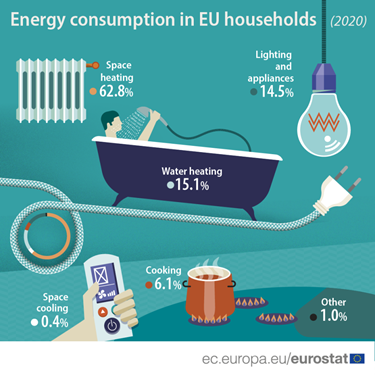
Do you know how much energy you use in each area of your home?
Depending on how much you use certain appliances, how much hot water you use or how much you use your lights your energy use may be bigger in certain areas of the house.
Last reviewed: