Supporting Transitions
Supporting young people with transitions
Transitions can include new school, new teachers, new tasks, new classroom and other situational transitions which they may need help with. There are lots of things professionals and parents/carers around them can do to help.
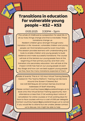
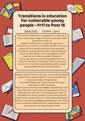
Transitions can take time and are a process. They are also an inevitable part of life and children’s well-being and self-esteem can be helped when they are supported to experience positive transitions. The smoother the transition can be, the better the impact - research shows that 40% of children fail to make progress the year immediately following a change of schools and this is amplified by risk factors such as poverty.
There are lots of ways to support transitions. If the child is in care, the PEP meeting is a good starting point to discuss how to manage the transition.
Supporting Strategies
-
have a clear transition plan in place
-
make sure that key information about the child’s emotional state is shared between families and school settings with communication being open and frequent. For example, if the child has had a difficult weekend, ensuring key staff at school are informed.
-
ensure schools are aware of any therapeutic sessions that the children and young people are attending.
-
have a transition object as a reminder of previous school or carer, supporting idea of being kept in mind.
-
facilitate opportunities for children and young people to say ‘goodbye’ and have a strong ‘welcome’
-
visit new school several times, including driving and walking past at different times of the day.
-
be welcomed at the start of the day and have a point of contact to exit at the end of the day.
-
prepare a book with photos of the new school and key adults
-
prepare the child for changes in the school day and talk through what is going to happen, e.g. timetable.
-
children and young people should be supported to visualise their transitions as positive. This can help their self-regulation and anxieties around transitions.
Social Workers
Social workers can support families by identifying ways they can:
-
provide a good learning environment ensuring children have an appropriate place to work and study.
-
ensure children and young people are equipped for school with correct equipment and uniform.
-
make sure someone attends parents evening and you know who the Designated Safeguarding Lead is at the school.
-
identify the key adult for child or young person at school.
-
promote engagement in events and regular activities.
-
be a good advocate.
-
providing access to educational resources.
-
help children with reading, talking and listening.
-
give clear consistent boundaries.
-
prepare for difficult times e.g. birthdays, anniversaries, contact visits court hearings (keeping school informed)
-
support attendance.
-
maintain regular contact with school.
-
have appropriate high aspirations.
-
support engagement in culture and leisure activities.
-
be clear and teach appropriate behaviour, do not expect child to already know.
If needed, ask the school to create a specific risk assessment to ensure safety and adequate provision for child in school.
Useful resources for transition