
Display 19 of 19
Previous Image Back to exhibitions
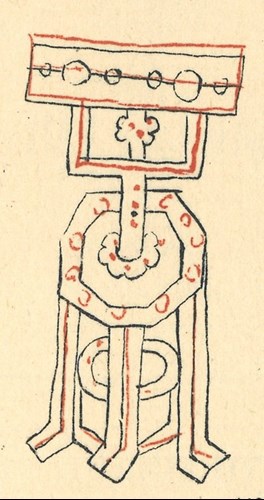
The Pillory
GBR/J5/1 Rental of all the houses in Gloucester A.D. 1455, ed. W. H. Stevenson (1890)
Imprisonment for crimes was rare in medieval times and most convicted criminals were punished by fines and/or seizure of goods & chattels, but there were exceptions, including the pillory. This consisted of a wooden post and frame fixed on a platform raised several feet from the ground. The head and hands of the offender(s) were held fast in holes in the frame, so they were exposed in front of it. The offender(s) would then be subjected to abuse and refuse thrown from the crowd. The city also had stocks, which were similar but held offenders by the ankles. People were sent to the pillory by a ‘Court of piepowders’, a special court held by the borough on fairs or markets. This court had unlimited jurisdiction over personal actions for events taking place in the market, including disputes between merchants, theft, and acts of violence. Punishments typically included fines, the pillory, the stocks. One other item of city property was a tumbrel, a two-wheeled cart that was used to carry offenders around the town to humiliate them. In Gloucester’s 'Red Book’ of official memoranda, there is an entry in 1504 concerning the reputation of the town, “which is too abominably spoken of in all England and Wales of the vicious living of divers persons, spiritual as well as temporal, with too excessive a number of common strumpets and bawds dwelling in every ward of the said town and which it is feared the Almighty will otherwise soon punish.” This ordered that ‘common queens' (prostitutes) and clients – both lay and clerical! – were to be placed in a 'hutch' [cage] in the market-place. Notorious 'queens’ were also to be carted around each ward in the tumbrel with 'frontlets of paper’ (a sign) and hoods over their heads.
Last reviewed: