A night at the races?

Photo by Andy Dolman, via WikiCommons
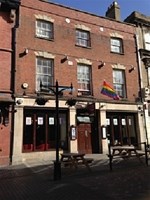
One of Cheltenham's most well-known landmarks played host to LGBTQ social events during the 1990s, but the monthly Racecourse Disco certainly wasn't the only 'gay event' in the area. There were a range of pubs and clubs across the region that catered to LGBTQ audiences, either permanently or as mainstream venues that held 'gay evenings'.
Cheltenham's Phoenix and Leckhampton Inn were specifically 'gay pubs' but by the 1990s that didn't necessarily mean the clientele would only be gay men. Jenny remembers there usually being more women than men in the Leckhampton Inn and that "the room with the pool table was almost always filled exclusively with women" [D13414]. Gloucester's pubs and clubs were also popular for those trying to find a local 'gay scene', including the weekly Crackers disco and both the Coach and Horses and the New Pilot Inn. The Lock-keeper's Inn in Stroud also appears to have been a regular haunt for some LGBTQ residents.
In 2014, possibly as a result of recession and improved transport links to venues in places like Bristol and Birmingham, Gloucestershire's 'scene' is far smaller. Gloucester's Westgate appears to be the only dedicated LGBTQ venue in the county, with occasional evenings/events in Cheltenham. Is this a sign that LGBTQ people feel more comfortable in mainstream venues?
Working together
For many LGBTQ people being part of this diverse community is about more than going out with friends and taking part in Pride marches. As well as socialising, they work with organisations to improve services, access and support for other members of the community. Collaboration happens in lots of different ways, and can be formal or informal.
Examples from our collections include members of LGBTQ community organisations working in partnership with Gloucestershire Police to tackle hate crime, and with health professionals and charities as part of the Gloucestershire Gay Men's HIV/AIDS Forum during the 1990s. Informally, individuals and groups also respond to public consultations, requests for information and even projects like ours, to help organisations and service providers better understand the ways in which their work can affect LGBTQ lives.