
Display 4 of 22
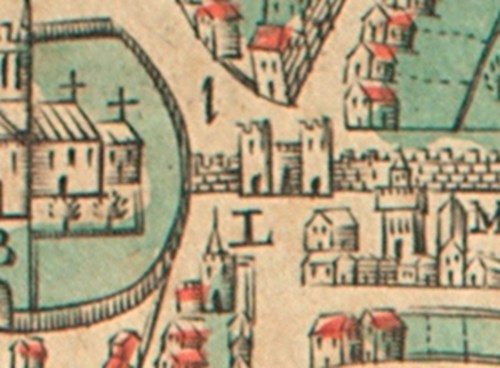
Northgate Gaol/Lock-up
SR85/1610SpeedGS
During the Tudor period there was a rise in poverty caused by population growth, inflation, bad harvests, changes in agriculture and the Dissolution of the Monasteries (which created unemployment among rural workers and removed the chief provider of charity). These factors caused many people to move away from the countryside to towns and cities – which became known as vagrancy. Vagrants were treated with suspicion and since most couldn’t find work, they were forced into begging for food and money. Others resorted to crime, becoming known as ‘vagabonds’ or ‘rogues’, and their rising numbers became a real concern for Tudor monarchs, especially during Elizabeth I’s reign. Initially vagrants were dealt with in various ways – they were placed in the stocks/pillory, whipped out of towns, and some were even branded with a ‘V’ on their foreheads. However, it was later decreed that the county Quarter Sessions should raise money and build ‘Houses of Correction’ or ‘Bridewells’ (named after the old Bridewell Place in London) to imprison vagrants – so starting the prison system we are familiar with today. Initially Gloucester Borough used two of the town gates to house prisoners; the Northgate was the main gaol while another – probably the Eastgate – was used to house female prisoners. In 1590 a gaoler's lodging was built on the east side of the Northgate, partly financed with 20 marks given by Richard Pate for repairing the city gates. The Northgate seems to have fallen out of use by 1613 when the Eastgate became more important.
Last reviewed: