Biodiversity and Habitat
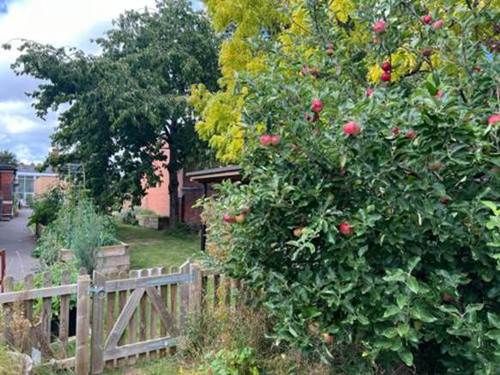
As well as being a hub for heritage in Gloucestershire, we hope our garden is a haven for wildlife of all kinds.
Our borders are filled with pollinator-friendly plants, and we leave vegetation to die back naturally, offering vital protection for insects over the colder months. We don’t use any weedkiller or pesticides on site and allow volunteer plants and mosses to grow where they thrive, following advice from English Heritage and Historic England to ensure our walls and tarmac aren’t damaged and plants don’t impede walkways.
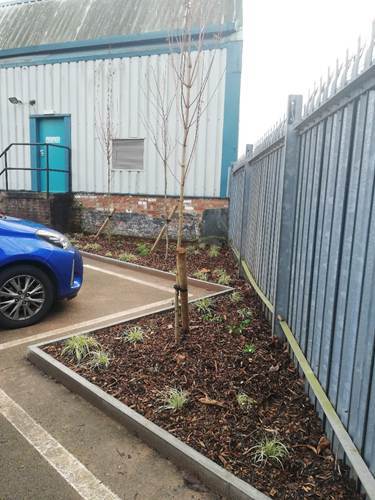
To further increase the biodiversity and help create nature corridors for wildlife, our staff voted to 'green' up the carpark as part of the Green Pledge Project. We employed Wild Edge Garden Design who planted five trees developed for urban planting in confined spaces, and underplanted them with a mixture of grasses and groundcover plants. Look for these new zones in previously unused corners of our car park. We can’t wait to see the new cherry trees blossom!
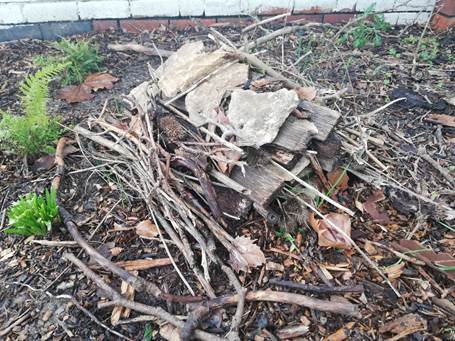
Bug hotels made from old logs and woody prunings have been stacked around the garden, providing a refuge for insects and a buffet for passing wildlife. If you join us for a talk or workshop in the evening, keep your eyes peeled for hedgehogs travelling around after dark.
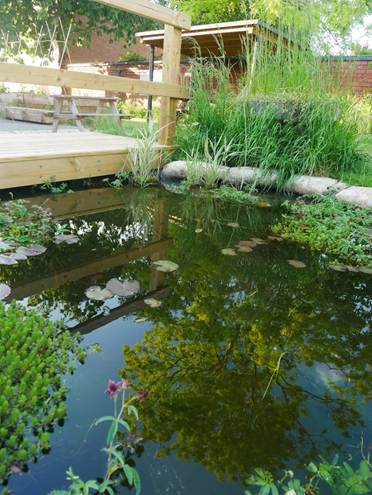
Our pond is an important part of the garden, offering a water source for both insects and birds, and of course a home for a multitude of aquatic life. Sit a while in the garden in the spring and you may be lucky to see bluetits feeding their young - they’ve nested each year since we put a nest box in our mature cherry tree following our garden expansion in 2019.
One of our project placement students from the University of Gloucestershire has completed a biodiversity audit of the garden. The audit provided us with a baseline of bird and hedgerow species that we currently have within the garden. It provides an extensive understanding of the features we have that provide a diverse range of habitats and leads on to explain site and monitoring recommendations.
Our community garden also has its own iNaturalist project page to create a digital archive of the biodiversity change overtime. If you visit us and are a member of iNaturalist, please log what you see to help create a picture of the fauna and flora that live in the space.