
Materials and Chemicals
Materials and chemicals are sometimes used in the preservation and conservation of archives.
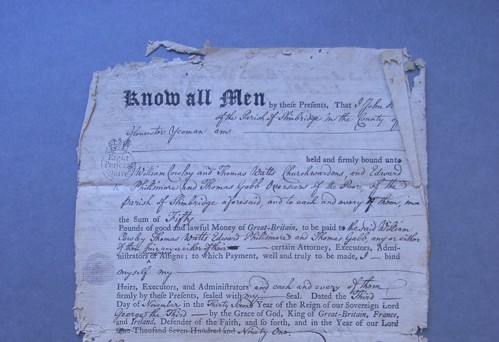
We follow strict guidelines if we use chemicals
On the rare occasions we use them, it is in very small amounts usually 50 ml or less at a time. We only use chemicals after considering and ruling out a range of other care options.
We want our documents to survive for hundreds of years into the future, and sometimes that does require chemical intervention. We comply with Health and Safety and Environmental regulations and closely monitor overall use. Conservation treatments for archives these days are designed to use fewer and less harmful chemicals.
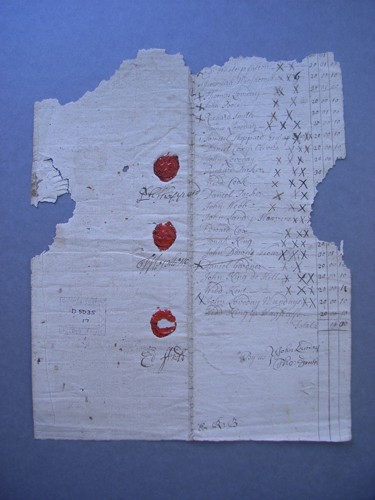
We look after hundreds of thousands of irreplaceable items
We hold records on parchments and papers, in books, maps, photographs, film, files and other materials too.
We provide the best conditions for their long-term preservation
We manage their storage environment carefully and use protective archive quality enclosures so that things are protected from future damage and deterioration. We make the most of highly insulative building design and low-energy technology for maintaining both temperature and humidity at optimum levels for long term preservation.
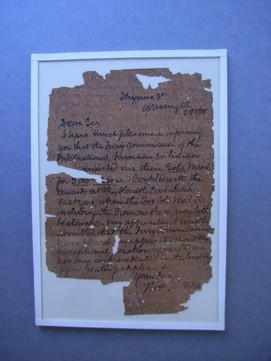
A letter written on cork
Where an item is damaged but stable, we accept the damage as a part of its history. We do not repair everything that is damaged. If something is unstable or un-useable then we may consider treating it to make it accessible and reduce the risk of new damage occurring.
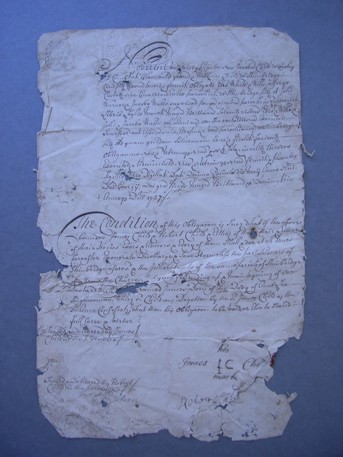
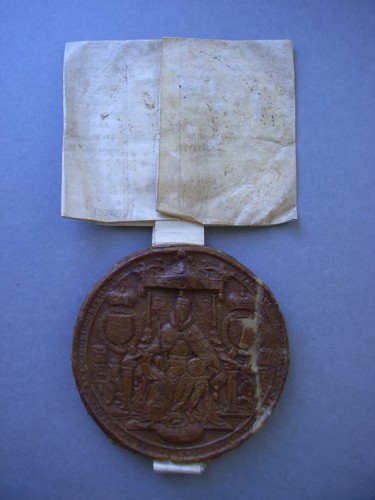
We aim to preserve the intangible
As well as tangible, physical properties, there are intangible things that you may not even be conscious of, or don’t really notice, that help confirm the genuine nature of an item. We want to keep these too.
If you have ever looked at an original document, known it as authentic and felt the connection, the realisation of the truth of what it is saying, the people or the times it links you to, and felt the emotion, the hairs stand on the back of your neck, or the tingle down your spine – then you will know the real value of preserving all that makes it what it is.
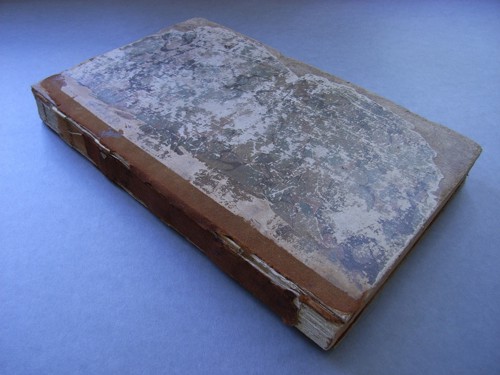
If you want to learn more about how to preserve documents, please click: Caring for your collection