
June
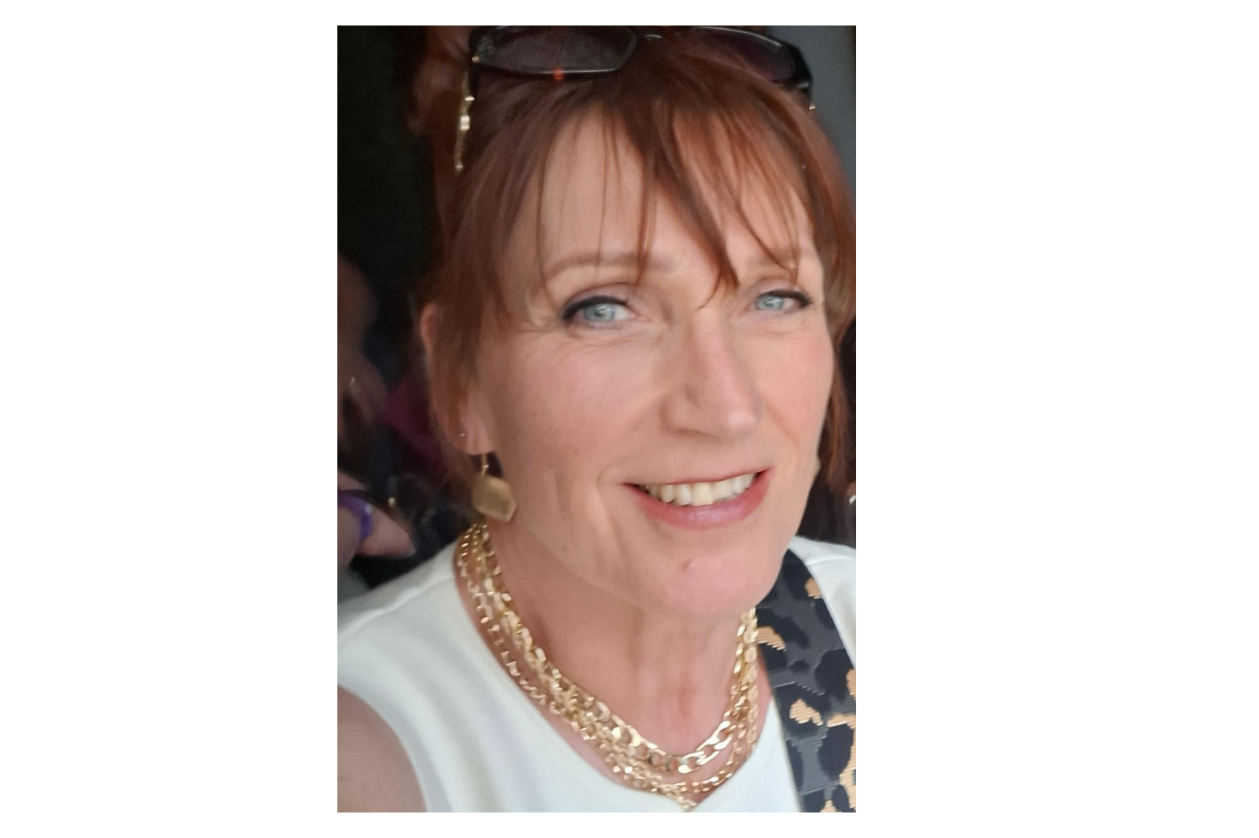
Meet June A single Host that transitioned from foster care to Launch Pad.
A little about you
I am a mum to 2 adult children, having brought up my own children predominately as a single parent, I went into Fostering 17 years ago looking after teenagers from 13-18. I now work Full time within Children Services and provide a home for a young person as a Launchpad host.
Initially, I chose to become a foster carer because I wanted to make a positive and lasting difference in a child’s life. Having had a connection with fostering for many years, I understand that children coming into care may have experienced uncertainty, loss or difficult circumstances, and I wanted to offer them a safe, stable and nurturing home.
I felt I had the patience, resilience and understanding needed to support a child through both the good days and the more challenging ones. For me, fostering is about helping a child feel safe, valued and listened to, while encouraging them to build confidence and reach their potential.
What I enjoyed most about being foster carer was seeing a child grow in confidence and begin to feel safe, secure and valued. It is incredibly rewarding to see the small changes, such as a child starting to trust you, becoming more settled, achieving something they are proud of or simply feeling comfortable enough to be themselves. I enjoyed being able to provide stability, encouragement and a sense of belonging, and knowing that I have played a positive part in their life is what made fostering so worthwhile for me.
Moving from fostering to Launch Pad
For me the difference between being a Foster Carer and Launch Pad Host, is that I support young people to do things for themselves and not do it all for them. It has allowed me to go back into full-time work and have more flexibility with my own social time and family time.
When I moved from being a foster carer to a Host, I didn’t need to adjust my approach much either. The focus of Launch Pad is a bit different, in that you’re helping the young person to find their feet and develop their confidence in various tasks, but there are still similarities. You have a team around the young person who will support them and you throughout the journey, and you’re still doing what you can to help the young person to feel safe, grow in confidence and feel that they belong.
There are many things I have learnt through fostering that have been particularly useful to me as a Launch Pad host. One of the biggest is understanding that every young person is different and that building trust and positive relationships takes time. Fostering has taught me to be patient, consistent and resilient, and not to take things personally when a young person is struggling.
I have also learnt the importance of listening to young people and involving them in decisions rather than doing everything for them. This has been especially useful as a Launch Pad host, where the focus is on preparing a young person for independence. I can provide a safe and supportive environment while encouraging them to take responsibility for things such as cooking, budgeting, appointments, education or employment, and looking after their home.
Most importantly, I have learnt that progress does not always happen quickly or in a straight line. Sometimes the small achievements are the most significant. I enjoy being able to encourage a young person, recognise how far they have come and help them build the confidence and practical skills they need for adulthood.
What Hosting is really like
Much of it can look like ordinary family life. You might be cooking dinner and encouraging the young person to cook alongside you, having a conversation about how much they have spent that week, helping them understand a letter they've received, or simply having a cup of tea and listening to what's happened during their day.
My fostering experience is particularly valuable because I’ve already learnt how to build relationships, provide boundaries and remain patient and consistent. The difference with Launch Pad is often knowing when to step back. Instead of thinking, "I'll sort that out for you," you're increasingly saying, "How are you going to deal with that, and is there anything you need from me?"
My role as a Host involves lots of different things, including;
Being a consistent, safe person: checking in with the young person, asking how their day has been and being available if they need advice or support.
Supporting everyday routines: encouraging them to get themselves up, attend college, training or work, make appointments and manage their own commitments.
Developing practical skills: helping them learn things such as cooking, shopping, laundry, cleaning and keeping their own space organised.
Learning to manage money: talking through budgeting, shopping choices, bills and saving, rather than simply managing their money for them.
Supporting emotional wellbeing: listening when they have had a difficult day, helping them think through problems and providing reassurance without immediately trying to solve everything.
Encouraging responsibility: having clear expectations about things such as respecting your home, communicating about when they will be home and contributing to everyday household tasks.
Building confidence: encouraging them to make their own decisions, praising progress and helping them recognise what they are capable of.
Working with professionals: where appropriate, keeping in touch with the young person's social worker, personal adviser or other professionals involved in their support.
With Launch Pad, it is often the ordinary moments that show the biggest change in a young persons’ confidence as they start doing something for themselves that they previously needed reassurance or support with. Whether that’s going shopping, working out their own budget and successfully keeping to it, travelling independently for the first time or speaking confidently to a professional and expressing what they want for themselves.
Perhaps most importantly, is when they become comfortable enough to ask for help when they genuinely need it, because independence also means recognising when support is needed.
One of the loveliest and rewarding things for me as a Host is when I suddenly realise they don't need me for something anymore. There can be a temptation to feel a little sad about that, but actually I feel incredibly proud because that's exactly what we're trying to achieve! My role isn't to make them dependent on me, it's to help them believe that they can manage for themselves while knowing I'm still there if they need me.
The relationship
For me, the relationship is about being alongside the young person rather than doing everything for them. Sometimes that means offering advice or practical help, and at other times it means stepping back and allowing them to make their own decisions and learn from their experiences. I would describe the relationship between a Host and a young person as one based on trust, respect, consistency and encouragement. As a Host, I am there to provide a safe and stable home and to be someone they can talk to and rely on, while also encouraging them to become more independent.
Over time, I hope the relationship becomes one where they know I believe in them. They may not always need my help, but they know I am there if they need support, reassurance or simply someone to listen. Ultimately, I think a successful relationship is one where the young person feels safe enough to be themselves and confident enough to gradually need me less.
I think having that stable home environment gives a young person a sense of security and belonging at a really important stage of their life. They know where they are coming home to, what the expectations are and that there is someone there who cares about them and will support them.
That stability gives them the space to concentrate on other areas of their life, such as education, work, friendships, managing money and learning the practical skills they will need for independence. They can try things, make mistakes and learn from them while still having a safe base to come back to.
When a young person knows they are valued and accepted, they can start to believe in themselves and make plans for their future. For me, being a Launch Pad Host is about providing that secure foundation while gradually encouraging them to stand on their own two feet.
For someone considering becoming a host
I think a good Launch Pad host needs to be patient, approachable, understanding and consistent. You need to be able to build a trusting relationship with a young person while also respecting their independence, privacy and choices.
Resilience is important too. Young people may have experienced difficult or uncertain times, so things will not always go smoothly. I think you need to remain calm, not take things personally and continue to provide consistent support and clear boundaries.
A good Host also needs to be a good listener. Sometimes a young person won't want you to solve their problem; they may just need someone who will listen and help them work out what they want to do.
Most importantly, I think you need to know when to help and when to step back. With Launch Pad, success is often seeing the young person gradually doing more for themselves, whether that's cooking, budgeting, making appointments, travelling independently or making decisions about their future.
For me, being a good Host is about providing that safe base, believing in the young person and giving them the confidence to believe in themselves. Eventually you want them to need you less, and I think being able to step back and feel proud of that is one of the most important qualities a host can have.
It’s also important to recognise that as a Host, you aren’t alone on your journey. There is lots of support available, both for you and the young people you support. My support has particularly come from my Family Support Worker, Fostering Social Worker as well as the young person’s Social Worker.
For anyone thinking about becoming a Host, I would say go into it with an open mind, patience and a willingness to listen. You don't have to have all the answers. Sometimes the most important thing you can give a young person is a safe, stable home and someone who believes in them.
I'd also say don't underestimate the small things. Seeing a young person cook their own meal, manage their money, make an appointment, deal with a problem themselves or simply say, "I've sorted it," can make you realise just how far they've come.
Ultimately, you don't need to change a young person's whole life for them. You need to provide the stability, encouragement and belief that helps them realise they are capable of changing their own.
If I could summarise my experience as a Launch Pad Host with 3 words, it would be these; Supportive, rewarding & empowering.